

Prenatal Massage in Arcachon: Benefits, Safety, and What to Expect at Spa Beroa
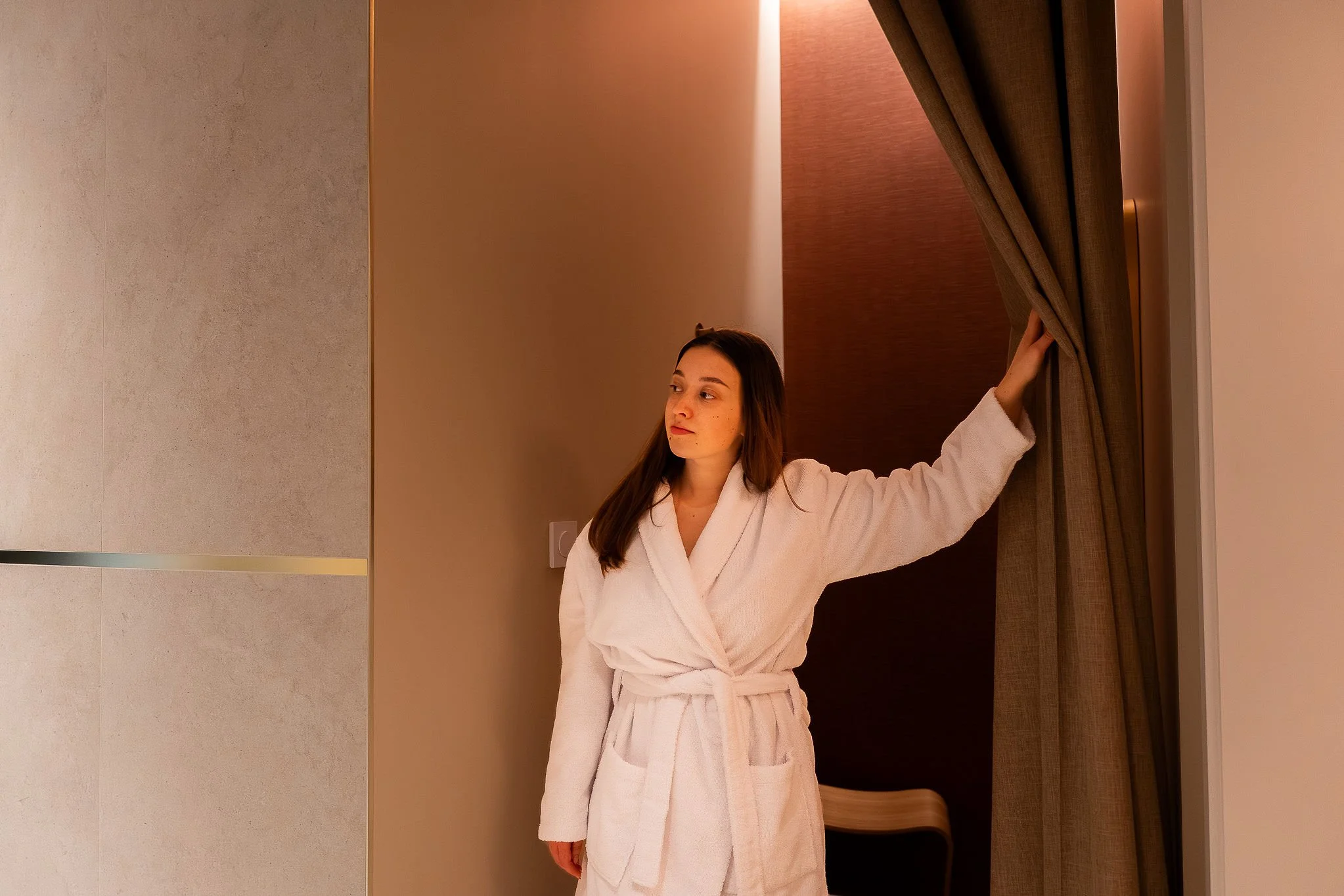
Pregnancy is one of the most intense experiences the body can go through. Over the course of nine months, everything changes: the center of gravity shifts, joints become more flexible due to hormones, the back compensates, the legs feel heavier, and sleep becomes fragmented. And often, the expectant mother’s well-being takes a back seat, overshadowed by preparations, medical appointments, and anticipation of the baby’s arrival.
However, taking care of your body during pregnancy is not a luxury. It is a necessity. Prenatal massage, performed by a qualified professional, is one of the most effective ways to support the physical and emotional changes that occur during this time. At Spa Beroa in Arcachon, this treatment is performed by Clément Derval, a state-certified massage therapist and physical therapist, using an approach that takes into account each stage of pregnancy and the unique characteristics of each body.
Pregnancy: An Underestimated Physical Challenge
Before discussing the massage itself, it’s helpful to understand how pregnancy affects the body—because that is precisely what this treatment is designed to support.
Musculoskeletal Changes
Starting in the first trimester, the body begins to produce relaxin, a hormone that loosens the ligaments to prepare the pelvis for childbirth. This loosening of the ligaments is necessary, but it also weakens the joints: the hips, sacrum, pubic bone, and knees can become sources of pain. At the same time, the spine is constantly adapting to a center of gravity that shifts forward week after week. The lumbar lordosis (the curve in the lower back) becomes more pronounced, causing the well-known lower back pain that affects more than 70% of pregnant women.
In the third trimester, the weight of the belly places intense strain on the paravertebral muscles, the trapezius muscles, and the shoulders, which are constantly working to compensate. The legs, meanwhile, bear an increasing load while coping with increasingly difficult venous return—hence the sensations of heavy legs, ankle swelling, and nighttime cramps.
Circulatory and Hormonal Changes
Blood volume increases by about 40% during pregnancy to nourish the placenta and the fetus. This increase, combined with pressure from the uterus on the pelvic veins, slows the return of blood to the heart. As a result, the extremities feel heavy, varicose veins may appear, and fatigue sets in more quickly. The hormonal system, in turn, affects the nervous system: anxiety, mood swings, and sleep disturbances are directly linked to fluctuations in progesterone, estrogen, and cortisol.
The Emotional Impact
Pregnancy is also a time of profound identity transformation. Anticipation, doubts, and thoughts about the future create a significant mental burden that the body absorbs in its own way: tension in the jaw, tightness in the chest, and raised shoulders. Prenatal massage works on this level as well—not just on the muscles, but on the central nervous system, by activating the parasympathetic nervous system and reducing circulating cortisol levels.
Prenatal Massage: What the Science Says
Massage during pregnancy is not an empirical practice or simply a pleasant experience. It is supported by several rigorous studies that measure its physiological effects.
Reduction in cortisol and norepinephrine
A study published in the Journal of Psychosomatic Obstetrics & Gynecology showed that a program of regular prenatal massages significantly reduced levels of cortisol (the stress hormone) and norepinephrine in pregnant women. This reduction was accompanied by an increase in serotonin and dopamine—the neurotransmitters associated with well-being and emotional regulation.
Improved Sleep
The muscle relaxation and reduction in cortisol levels brought about by massage have a direct effect on sleep quality. Sleep, however, is one of the first challenges of pregnancy, especially starting in the second trimester, when finding a comfortable position becomes a challenge in itself.
Relief from lower back pain and sciatica
Several clinical studies have documented the effectiveness of therapeutic massage for pregnancy-related lower back pain and sciatica. When performed by a professional who understands the anatomy and specific challenges of pregnancy, massage can significantly reduce pain intensity and improve mobility.
Benefits for Newborns
Research has also shown that women who received regular massages during pregnancy experienced fewer obstetric complications and gave birth to babies with slightly higher developmental scores. While this causal link has yet to be clarified, it does underscore that maternal well-being has a direct impact on that of the fetus.
Why See a Physical Therapist for a Prenatal Massage
This is where the difference between a standard wellness massage and a prenatal massage performed by an expert really becomes clear.
Medical Education in the Service of Patient Care
Clément Derval is a state-certified massage therapist and physical therapist. This four-year program, which begins after high school graduation, includes an in-depth study of anatomy, biomechanics, physiology, and pathology. A physical therapist knows not only how to massage, but also why: he understands the underlying structures and the interactions between muscles, tendons, ligaments, and nerves, and he knows how to adapt his technique based on what he feels with his hands.
In the context of pregnancy, this expertise is valuable in several ways. Identifying tension that is not merely muscular but indicates a ligament-related issue. Adjusting pressure based on the trimester and the expectant mother’s tolerance. Avoiding areas and pressure points that are contraindicated during pregnancy. Recognizing the signs that indicate the need for a medical consultation rather than continuing with the treatment.
Understanding Pregnancy-Related Conditions
Certain common conditions during pregnancy require special attention during massage: pubic symphysis pain (pain in the pubic area caused by the separation of the bones), gestational carpal tunnel syndrome (compression of the median nerve at the wrist, very common in the third trimester), pregnancy-related sciatica, and sacroiliac joint pain. A physical therapist knows how to adapt their approach to relieve these conditions without aggravating them, and may sometimes offer complementary techniques drawn from their clinical practice (gentle mobilization, fascial release).
Managing Contraindications
Prenatal massage is not contraindicated by default, but certain situations require prior medical consultation or an adjustment to the treatment: high-risk pregnancy, placenta previa, a history of miscarriage or preterm birth, gestational hypertension, preeclampsia, phlebitis, or a high risk of thromboembolism. A trained practitioner can identify these situations and knows when to seek medical clearance before proceeding.
How a Prenatal Massage Works at Spa Beroa
At Spa Beroa, the prenatal massage is part of a holistic approach to care, designed to support the expectant mother as a whole—body, emotions, and stage of pregnancy.
Intake and Medical History
First and foremost, Clément takes the time for an in-depth discussion. This isn’t just a formality—it’s the foundation of the treatment. He seeks to understand where you are in your pregnancy (trimester, approximate due date), your medical and obstetric history, any areas of tension or pain you’re experiencing, your level of fatigue, and any concerns you may have. If you have a specific medical condition or are under special medical care, he may ask for approval from your midwife or doctor. This discussion lasts about ten minutes and shapes the entire course of care.
Installation: A Top Priority
Positioning the expectant mother on the massage table is one of the most important aspects of prenatal massage—and one of the most overlooked in non-specialized facilities. Starting in the second trimester, lying on the back is not recommended because it compresses the inferior vena cava, which can cause low blood pressure and reduce blood flow to the placenta.
At Spa Beroa, prenatal massages are performed in the safe lateral position (lying on your side), with support for the head, abdomen, and between the knees to ensure optimal spinal alignment. This position allows access to the entire back, hips, legs, and shoulders without any abdominal pressure, and it remains comfortable even in the final stages of pregnancy.
Techniques Used
The prenatal massage at Spa Beroa combines several techniques tailored to the needs of expectant mothers.
Long, enveloping strokes form the basis of the treatment: broad, sweeping movements that stimulate circulation, warm the tissues, and help the nervous system relax. Slow and rhythmic, they create a reassuring sense of continuous contact that helps the expectant mother let go.
Work on the lower back and sacrum is key. Clément uses gentle pressure and tailored mobilization techniques to release tension that has built up in this area, without ever compressing the spine. Work on the sacrum is especially beneficial during the third trimester, when the baby’s pressure on this area can cause constant pain.
Lower-limb drainage is routinely included in the treatment. Upward strokes on the calves and thighs stimulate venous and lymphatic return, reduce the sensation of heavy legs, and can alleviate moderate ankle swelling.
The treatment concludes with work on the shoulders, neck, and scalp. These areas tend to accumulate significant tension during pregnancy, particularly due to changes in posture and emotional stress. Relaxing this upper body area completes the overall effect of the massage and leaves the expectant mother in a state of deep relaxation.
The oils used
Most essential oils are contraindicated during pregnancy. At Spa Beroa, our prenatal massage uses pure plant-based oils selected for their skin-friendly properties and nourishing benefits: jojoba oil, sweet almond oil, or calendula oil, depending on skin sensitivity. These oils are particularly beneficial for the skin on the abdomen and breasts, which stretches rapidly and may lose elasticity.
Duration and Frequency
The prenatal massage at Spa Beroa lasts 1 hour and 15 minutes, the same length as the signature massage. This duration is sufficient to treat the entire body without tiring an expectant mother, whose energy reserves are precious.
As for frequency, Clément generally recommends one session per month during the second trimester, and one session every two to three weeks during the third trimester, when tension builds up more quickly. Some expectant mothers opt for a single session, while others make it a regular part of their prenatal care.
During which trimester can you get a massage?
This is one of the most frequently asked questions. The nuanced answer is as follows.
First trimester (0–12 weeks): Massage is possible but should be done with caution. This is the most delicate period of pregnancy, when the risk of miscarriage is highest. Although there is no proven causal link between massage and miscarriage, many practitioners—including Clément—prefer to wait until the end of the first trimester as a precaution, or to limit treatment to very gentle techniques on the back and shoulders.
Second trimester (weeks 13–26): This is the ideal time to start prenatal massage. The pregnancy has stabilized, the belly is still manageable, and energy levels often return after the fatigue of the first trimester. Now is the time to take care of your body before the discomforts of the third trimester set in.
Third trimester (27 weeks until delivery): Massage is especially welcome at this stage, as this is when physical tension is at its peak. Positioning the client on the massage table is more technically challenging but entirely feasible. There is no specific cutoff point as delivery approaches—some expectant mothers receive massages right up until a few days before giving birth.
What Expectant Mothers Who Have Tried Beroa Have to Say
Spa Beroa regularly welcomes expectant mothers, who are often referred by their midwives or through word of mouth. The most common themes in their feedback are: the feeling of having truly been listened to, the confidence they gain from Clément’s medical training, and the lasting effect of the treatment—not just superficial relaxation, but a genuine sense of ease that lasts for several days.
Many also describe the quality of the space: the Art Deco setting of the Beroa Spa, overlooking Arcachon Beach, creates an environment for treatments that helps you disconnect from everyday life and fully immerse yourself in this moment for yourself.
Giving a Prenatal Massage: The Perfect Gift Idea
A prenatal massage is one of the most appreciated gifts you can give an expectant mother. Whether it’s a baby shower, a birthday, Mother’s Day, or just a simple “I’m thinking of you”—any occasion is a good one to give the gift of this special experience. Spa Beroa offers gift cards available online, which can be personalized for an expectant mother. A meaningful treatment, provided in an exceptional setting by a professional who is skilled in both the art of massage and the physiology of pregnancy.
How to Book Your Prenatal Massage in Arcachon
Spa Beroa is located at 134 Boulevard de la Plage in Arcachon, just a stone's throw from the sea. Reservations can be made directly online at beroa.fr, or by phone at 09 51 62 10 13. Before your session, feel free to jot down any questions you’d like to ask Clément when you check in—he’ll take the time to answer them and tailor your treatment accordingly.
If you are under special medical care or have been diagnosed with a medical condition during your pregnancy, please be sure to discuss this with your midwife or doctor before booking, and to let Clément know when you arrive. In the vast majority of cases, this does not preclude treatment—it simply allows us to tailor it to your needs.
Because taking care of yourself during pregnancy also means taking care of him.